
What You Need to Know
- Spain won the 2026 FIFA World Cup Final 1-0 against Argentina, with Argentina failing to register a single shot on target in the entire match.
- Spain kept five clean sheets and conceded just one goal across the entire tournament. The fewest of any team.
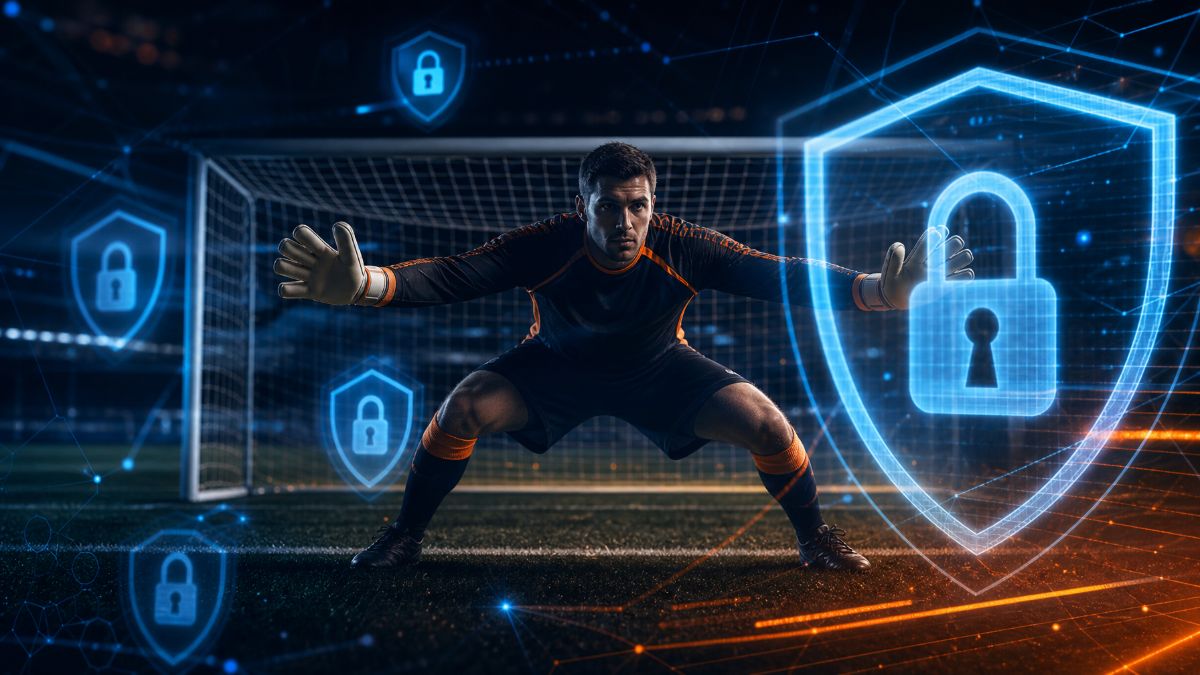
- Proactive cybersecurity for small businesses follows the same principle: prevent attacks from developing, rather than scrambling to respond after damage is done.
- According to a 2026 analysis of 2,800 small businesses, 43% of all cyberattacks target small businesses, yet only 22% are adequately prepared.
- Prevention costs 50 to 60 times less than recovery.
Last night, Spain won the 2026 FIFA World Cup Final 1-0 against Argentina. The story of that match is worth understanding. Argentina, the defending world champions and one of the most dangerous attacking teams in tournament history, did not register a single shot on target. Lionel Messi, arguably the greatest player of his generation, was effectively neutralized. Spain did not simply get lucky. They built a defensive system so disciplined, so layered, and so deliberate that Argentina never had a real chance to attack.
That is exactly how proactive cybersecurity for small businesses is supposed to work.
How Spain Kept Argentina Scoreless
Spain’s tournament record tells the story clearly. Across seven matches, they kept five clean sheets, faced the fewest shots on target of any team in the tournament, and conceded only one goal total. In the final alone, Argentina finished the entire match without a single attempt on goal.
The reason was not luck. Spain combined high pressing, compact defensive shape, and clear role assignments for every player on the pitch. When Argentina attempted to build an attack, Spain’s midfield disrupted possession early. Before the danger could develop. Their defenders knew exactly where to be. Communication was constant. And when Argentina’s Enzo Fernandez received a red card in extra time, Spain had the structure and composure to capitalize. Ferran Torres scored the decisive goal in the 106th minute, and Spain were world champions again.
According to Forbes, Spain’s defensive performance in this tournament was historic. The result of a system built long before the first match was played.
Proactive Cybersecurity for Small Businesses Follows the Same Logic
Most small businesses handle cybersecurity like a team that waits for the opponent to shoot, then hopes the goalkeeper makes the save. That reactive approach fails more often than business owners realize. According to a 2026 analysis of North American small businesses published by Total Assure, 43% of all cyberattacks target small businesses, and attacks occur every seven seconds. Yet only 22% of small businesses are adequately prepared to defend against them.
Proactive cybersecurity for small businesses means building the defense before the threat arrives. It means identifying vulnerabilities, closing gaps, and monitoring systems continuously. As a result, attackers cannot even get into position to strike.
Lesson 1: Press High. Block Threats Before They Reach Your Network
Spain did not sit back and defend. They pressed aggressively, disrupting Argentina’s buildup before it could become dangerous. In cybersecurity terms, this is the equivalent of endpoint protection, email filtering, and DNS security. These tools intercept threats at the perimeter. Therefore, attackers never reach your internal systems.
Phishing is responsible for 33.8% of all small business breaches, according to the Verizon 2025 Data Breach Investigations Report. Advanced email filtering stops the majority of phishing attempts before an employee ever sees them. That is pressing high. Stopping the threat early, before it gets dangerous.
Lesson 2: Know Every Role. Close Every Gap in Your Defense
Spain’s defensive shape worked because every player knew their position and responsibility. There were no gaps. In cybersecurity, gaps appear when access controls are unclear, when employees have more system access than they need, or when multi-factor authentication is not in place.
Multi-factor authentication (MFA) alone blocks 99.9% of automated account compromise attacks, according to Total Assure’s 2026 analysis. However, only 34% of small businesses currently use it. That means two-thirds of small businesses are leaving a significant gap in their defensive line. The equivalent of leaving a midfielder out of position against Messi.
Lesson 3: Monitor Continuously. Threats Do Not Wait for Business Hours
Spain’s defense was not passive. Their players tracked movement, communicated constantly, and adjusted in real time. Proactive cybersecurity for small businesses requires the same continuous awareness. Attackers probe networks at all hours, including weekends and holidays.
This is where 24/7 security monitoring becomes critical. Without it, small businesses without formal plans take over 168 hours to detect an intrusion. With a managed security partner monitoring around the clock, that detection window shrinks to two to eight hours, according to Total Assure’s analysis. In other words, faster detection means faster containment and far less damage.
Lesson 4: Have a Response Plan Ready Before You Need It
When Argentina received a red card in extra time, Spain did not panic. They already had a plan for every scenario. Similarly, businesses that face a cyber incident without a formal response plan take 50% longer to recover than those that prepared in advance.
More significantly, 60% of small businesses that suffer a serious cyberattack close permanently within six months, according to Total Assure’s 2026 data. An incident response plan is not optional. It is the equivalent of a coach having a clear substitution strategy. You hope you never need it. But when the moment comes, preparation is the difference between surviving and not.
What Proactive Cybersecurity for Small Businesses Looks Like in Practice
A proactive cybersecurity program for a small business typically includes:
- Endpoint detection and response (EDR). Monitoring every device on your network for suspicious behavior
- Multi-factor authentication. Blocking unauthorized access even when passwords are compromised
- Email security and anti-phishing tools. Stopping threats before they reach your employees
- Security awareness training. Reducing the 95% of breaches that involve human error
- 24/7 monitoring and alerting. Detecting intrusions in hours, not weeks
- Incident response planning. Ensuring your team knows exactly what to do when something goes wrong
- Regular vulnerability assessments. Finding and closing gaps before attackers find them
Prevention costs $5,000 to $15,000 per year. Recovery from a serious breach costs an average of $254,445, and that figure does not include the long-term damage to client trust and business reputation. The math is straightforward.
CIO Landing Builds This Defense for Small Businesses in the Chicago Area
Spain did not win the World Cup by accident. They spent years building the right system, training each player for a specific role, and preparing for every scenario. That level of preparation takes expertise and commitment.
CIO Landing helps small and mid-sized businesses in the legal, financial, and manufacturing sectors build the same kind of layered, proactive cybersecurity posture. We assess your current vulnerabilities, close the gaps, monitor your environment around the clock, and give you a clear plan for the moments that matter most.
If your business is still waiting to see if something bad happens before taking action, now is the time to change that. Schedule a free 30-minute discovery call at ciolanding.com/discovery-call to find out where your defenses stand today.